35%
Pipeline velocity improvement
Results
These examples focus on what changed operationally, not just headline numbers.
35%
Pipeline velocity improvement
90%
Salesforce adoption after redesign
$50M+
Revenue influence across selected programs
*Selected engagements. Results vary by business model, baseline maturity, and implementation scope.
Mini Case Studies
Industry / Context
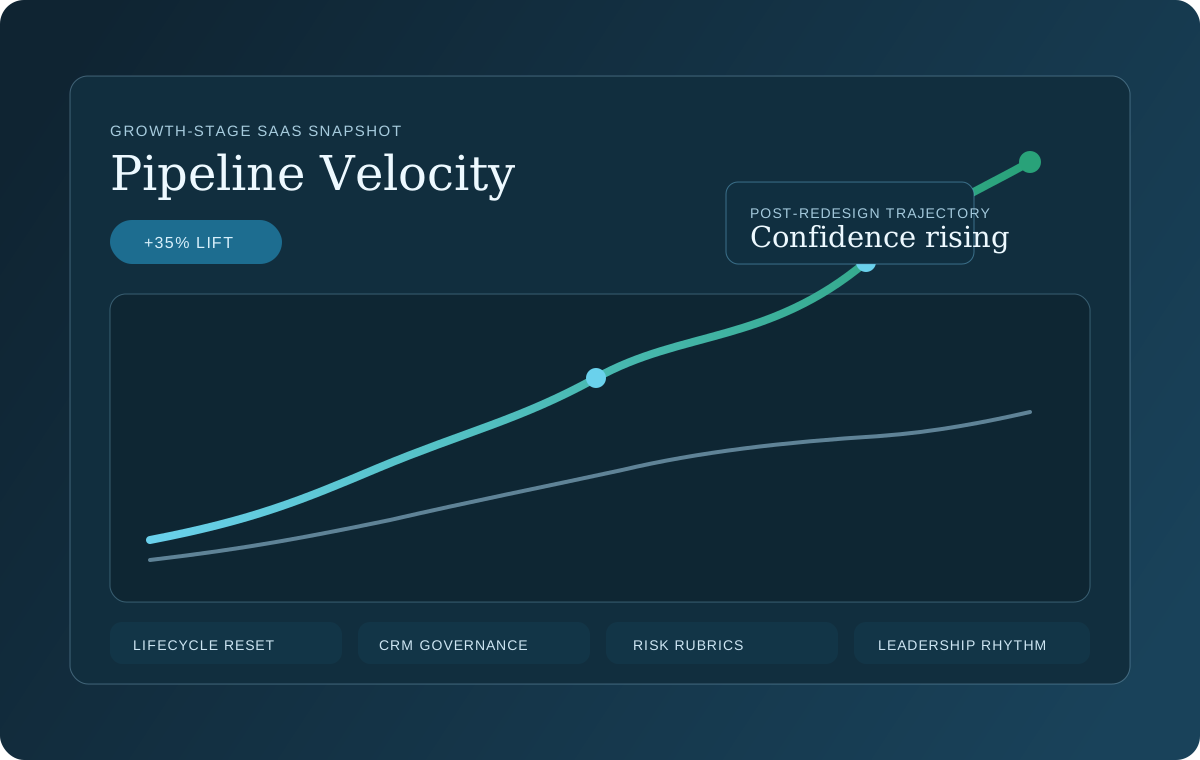
Growth-stage SaaS (anonymized): Distributed sales organization with inconsistent lifecycle definitions and weekly forecast volatility.
Problem
Pipeline reviews centered on data disputes instead of decision-making.
What Changed
Implemented shared lifecycle criteria, rebuilt Salesforce stage governance, and introduced a forecast confidence rubric for leadership reviews.
Measured Outcome
35% pipeline velocity improvement and materially lower forecast variance in two planning cycles.
Industry / Context
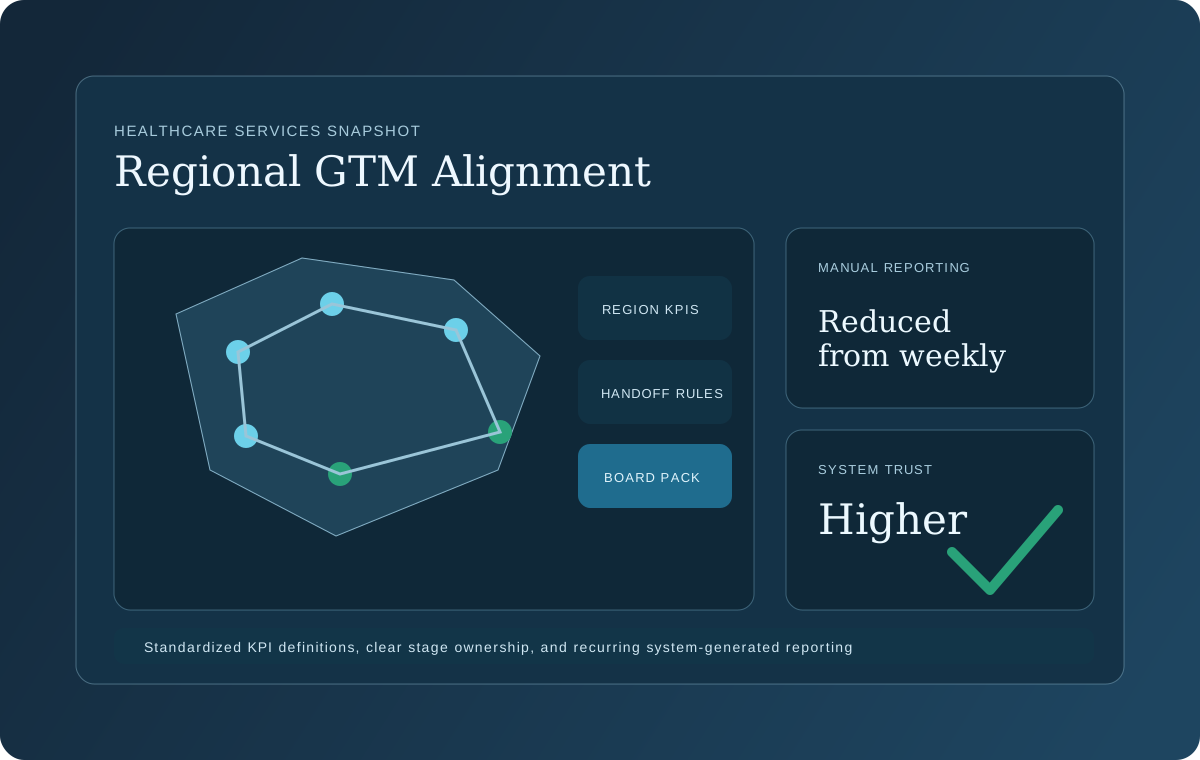
Healthcare services platform (anonymized): Rapid expansion with fragmented GTM ownership across regional teams.
Problem
Manual reporting workflows and inconsistent handoff criteria delayed board reporting.
What Changed
Standardized KPI definitions, clarified ownership by lifecycle stage, and restructured reporting workflows around system-generated metrics.
Measured Outcome
Board reporting shifted from manual aggregation to recurring systemized reporting with higher trust.
Industry / Context
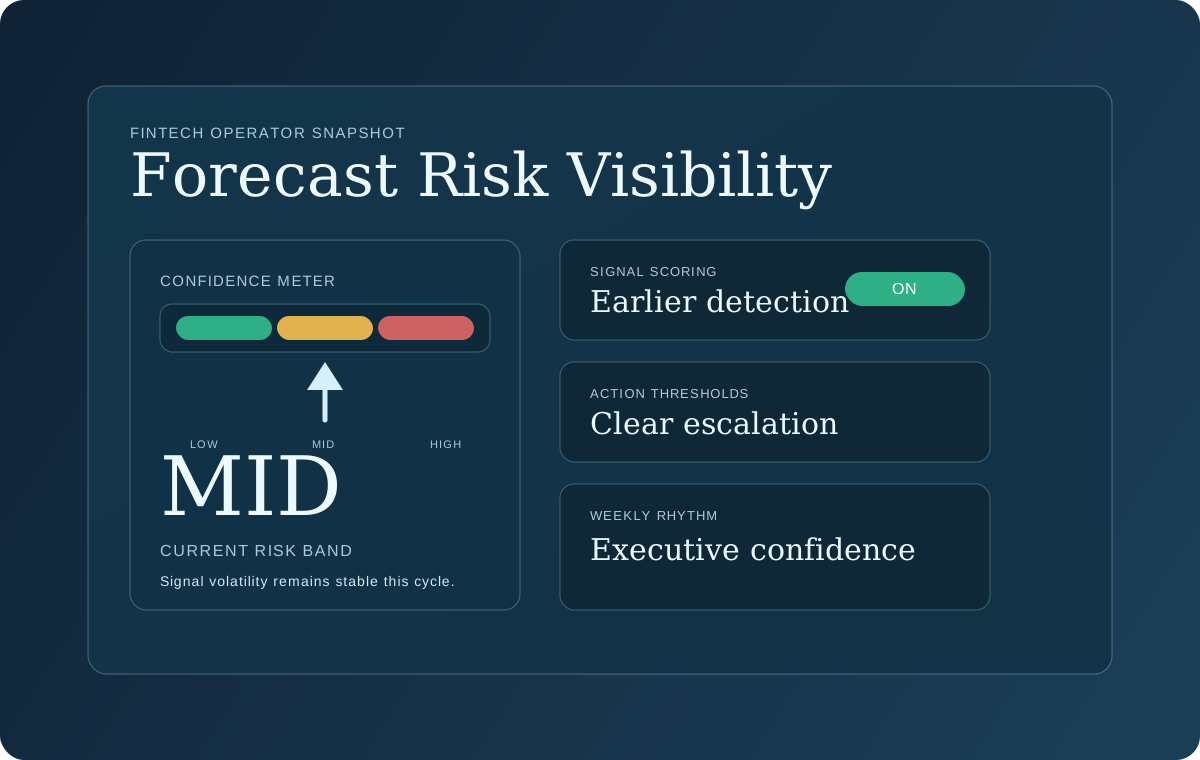
Fintech operator (anonymized): Fast hiring and rising deal complexity reduced quarter-close predictability.
Problem
Forecast risk indicators were late and lacked clear action thresholds.
What Changed
Defined risk band logic, introduced signal scoring, and aligned weekly operating rhythm to confidence changes.
Measured Outcome
Earlier risk detection and improved executive confidence in quarter planning decisions.
We finally moved from debating numbers to running the business. The operating cadence, Salesforce redesign, and forecasting logic changed how leadership decisions get made.
CRO, Growth-stage SaaS